Follow us on your favorite social media channels and join the conversation to discover the best destination guides and travel tips !
Each destination has its own customs, sometimes discreet, which shape the experience of the discerning traveller. Greece, with its rich traditions and unique way of life, is best discovered by mastering its codes. These practical guidelines have been designed to accompany your stay with elegance, comfort and peace of mind.
Greece is characterised by a relaxed relationship with time, conducive to contemplation and exchange. Time is spent in traditional kafeneia or on sun-drenched terraces. Greek coffee is savoured slowly, in the image of a lifestyle turned towards the essential.
The Mediterranean climate is generous all year round, so it's a good idea to adopt a suitable wardrobe and high-quality sun protection. Summer winds, particularly the meltem, can reduce the feeling of heat while increasing exposure to UV rays.
It is common to linger for long periods in cafés, sometimes several hours, over a frappé or a cold drink. Access to sanitary facilities is generally possible, subject to respecting the local specificities of the installations, including in large cities.
Shops follow the sun's rhythm. Many of them close between 1pm and 5pm, before reopening at the end of the day and in the evening. Late afternoons and early evenings are particularly good for shopping.
In summer, dinner rarely starts before 8pm and can go late into the night. In some taverns, fish can be selected directly in the kitchen. Bread is automatically served at the table and charged for, whether or not it is eaten; it can be toasted and accompanied by local olive oil.
Ouzo and retsina are an integral part of the gastronomic culture. Legislation banning smoking in enclosed spaces has been in force since 2009, and is increasingly being complied with.
Tipping is not compulsory but is appreciated. It is customary to leave a few euros in restaurants or with taxi drivers. Official guides on archaeological sites may not accept any gratuities, as their services are governed by regulated rates.
It is advisable to have cash on hand. Foreign bank cards may incur charges when withdrawn from ATMs. A tourist tax must be paid at the hotel; this cannot be included when booking and varies from €2 to €15 per room per night, depending on the category of establishment. Cash payments are also useful for public transport.
Buses, particularly in urban areas, do not always stop: you should clearly indicate your presence at the stop.
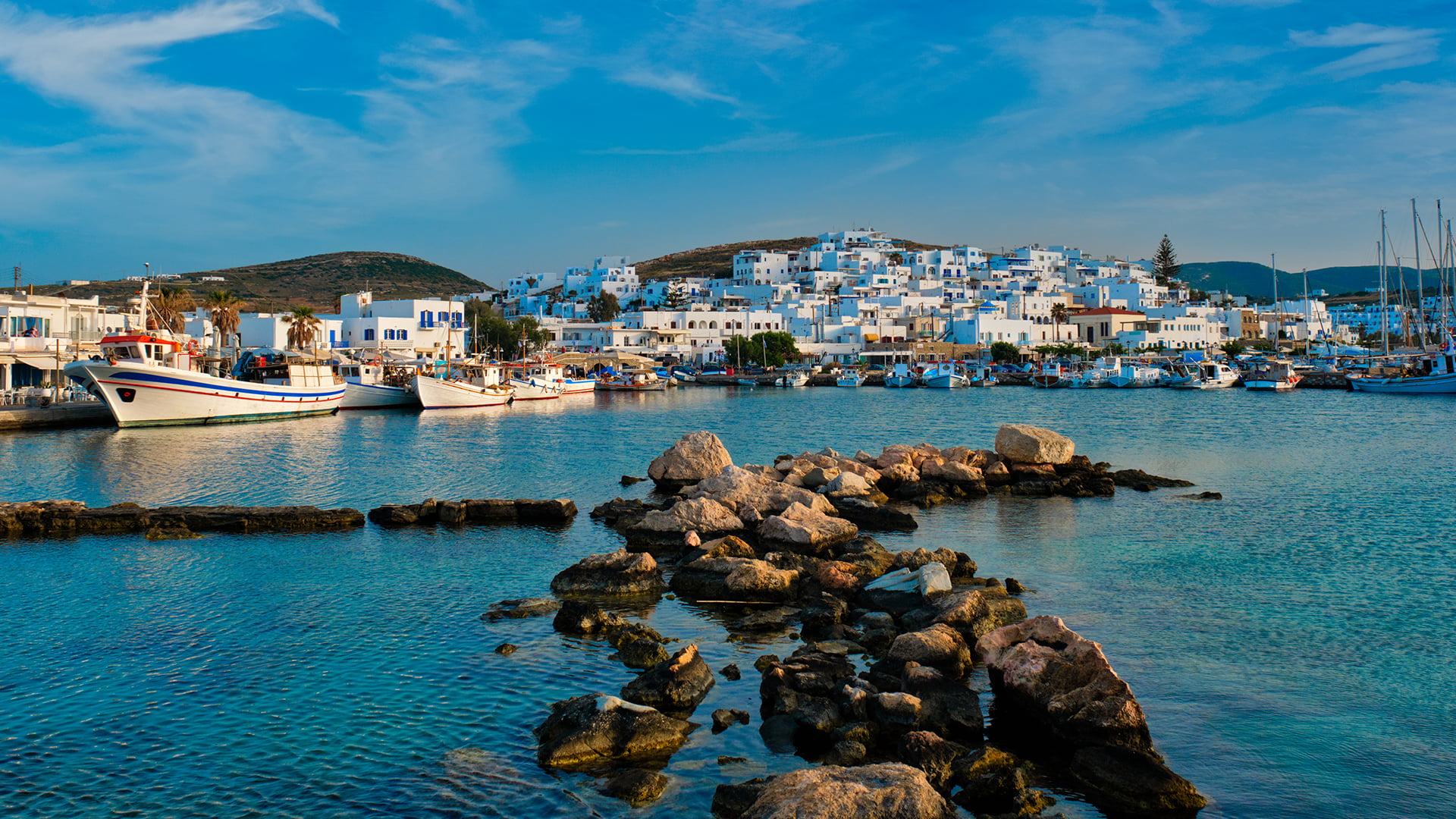
A trip to Greece naturally includes exploring its islands. It is advisable to travel with light luggage, as embarkation and disembarkation can be demanding. Particular attention should be paid to the telephone network: on some islands in the eastern Aegean and Dodecanese, telephones can automatically switch to the Turkish network, generating high roaming charges.
Delays or adjustments to ferry schedules may occur, mainly due to weather conditions and seasonal winds. This flexibility is an integral part of the local experience.
Driving can be dynamic, particularly in urban areas, where the use of the horn is commonplace. In rural areas, the presence of animals on the road is frequent and requires extra vigilance.
On certain roads, the hard shoulder is sometimes used to facilitate overtaking, although this practice is still an offence. Overtaking from the right is not uncommon.
In the event of improper parking, the police can remove the vehicle's number plates. The plates are returned to the police station and a fixed fine of €250 is imposed.
We don't just list properties, we carefully select them.
Only those who meet our high standards are selected.
With Séjour Privé, you are guaranteed a quality choice.
A Séjour Privé destination specialist will contact you and assist you.