Chora, Cycladic capital
An architectural labyrinth
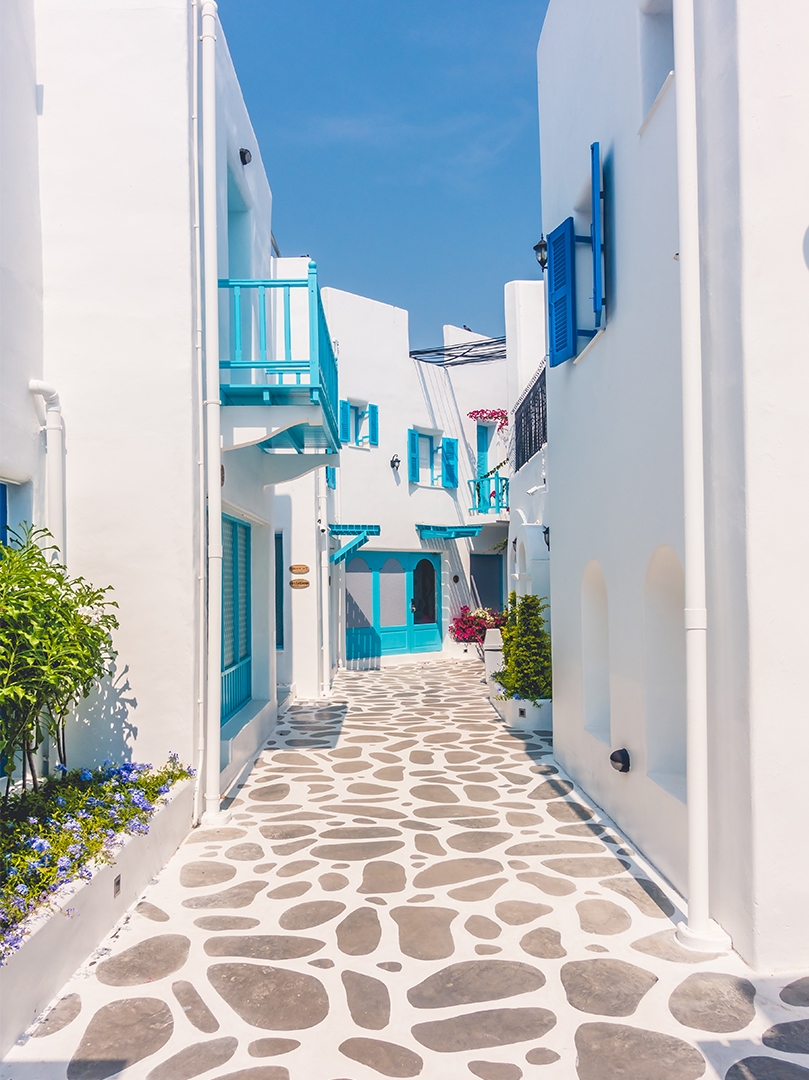
Chora, the capital of Mykonos, is an emblematic example of Cycladic architecture. Its narrow streets, paved with whitewashed stone, wind between cube-shaped houses with white facades. Wooden doors, shutters and balconies, often painted blue, give structure to the whole, while bougainvillea and geraniums add a touch of greenery.
Move away from the main roads and you'll discover discreet chapels, quieter squares and a more perceptible local life.
Little Venice and windmills
The district of Alefkandra, known as Little Venice, is characterised by its 18th-century houses built directly on the water's edge. Once the homes of merchants, they now offer one of the island's best-known views.
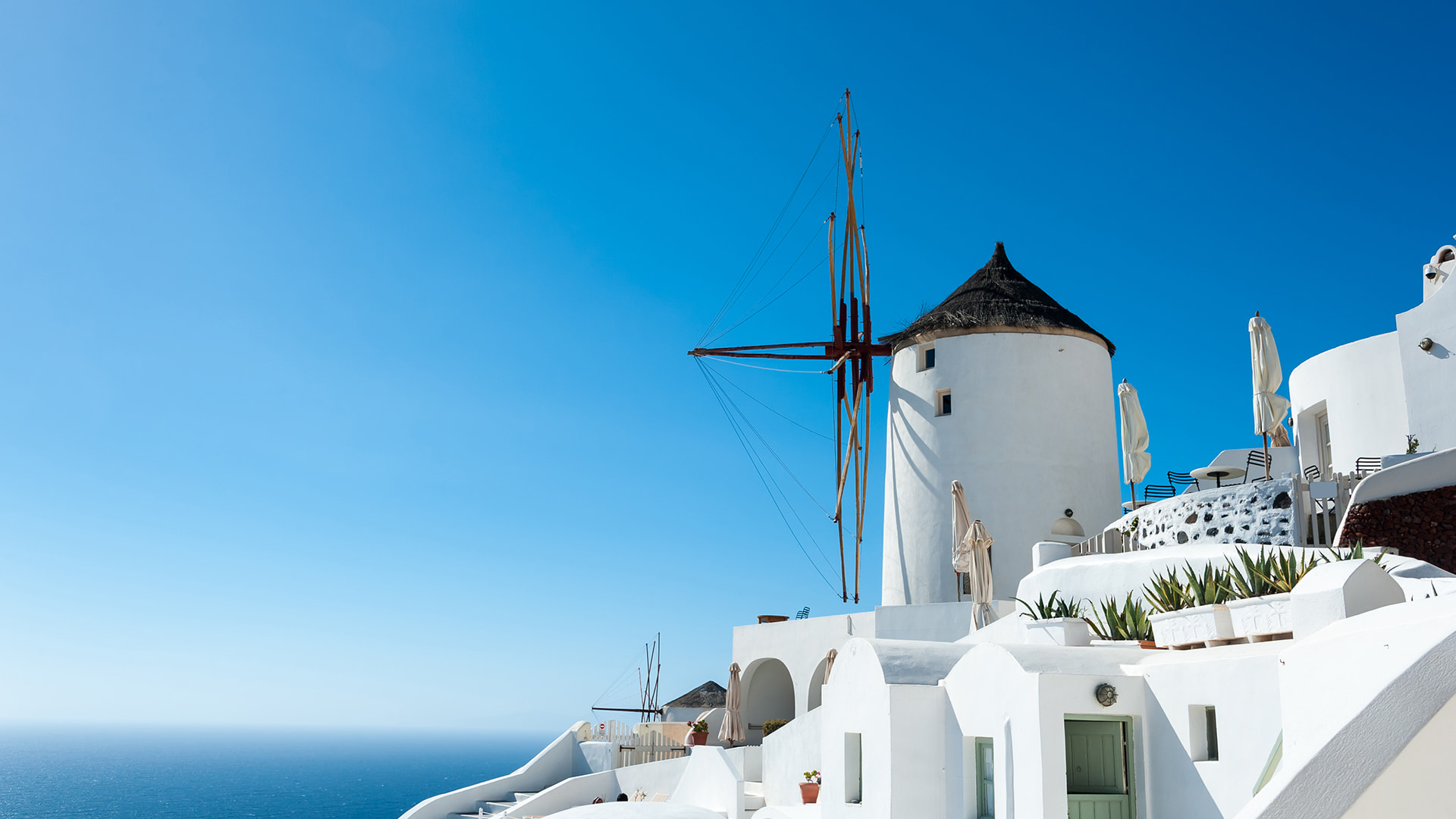
On the nearby hill, the windmills of Kato Myli are a reminder of Mykonos' past agricultural importance. They are now one of the island's major visual landmarks, offering uninterrupted views of the town and the Aegean Sea.
Explore Chora differently
For a more in-depth exploration, we recommend visiting Chora at a quieter time of day. The morning light enhances the architectural lines, while the distance from the shopping streets allows you to experience the city's everyday life in a more serene setting.
Ano Mera, the mykoniate hinterland
Located in the centre of the island, around eight kilometres from Chora, Ano Mera is the second largest village on Mykonos. Far from the hustle and bustle of the coastline, it offers a more traditional atmosphere. Village life revolves around a large central square lined with tavernas and cafés.
The monastery of Panagia Tourliani
Founded in 1542, the Panagia Tourliani monastery dominates the main square. It houses a remarkable church, of which the Baroque iconostasis in carved wood, made in Florence in the 18th century, is one of the most notable features. A small ecclesiastical museum completes the visit.
Local life and gastronomy
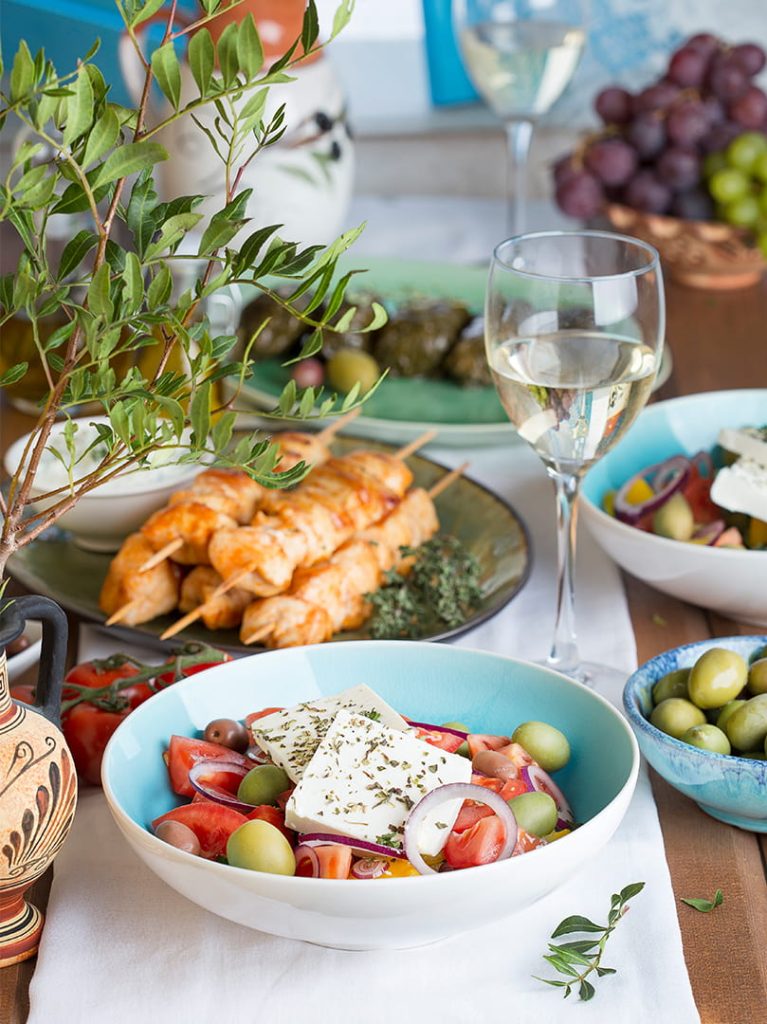
Ano Mera is renowned for its family-run taverns, where the cuisine is based on traditional recipes and local produce. Grilled and stewed dishes play an important role, offering a more rural approach to Mykonian cuisine.
The unspoilt beaches of Mykonos
Another coastline to discover
While the south of the island is known for its lively beaches, the north coast has wilder landscapes, exposed to the Meltemi wind. These beaches offer a more natural and less developed setting.
Some beaches to check out
- Agios Sostis A sandy beach that has been deliberately left without fixed facilities.
- Fokos and Mersini Two neighbouring beaches accessible via a track, appreciated for their seclusion.
- Kapari A discreet cove near Agios Ioannis, overlooking the island of Delos.
- Lia Beach: quieter than the southern beaches, partially developed and suitable for snorkelling.
Mykonos, a more complete view of the island
Looking beyond the clichés to Mykonos reveals its full diversity. With its historical heritage, Cycladic architecture, unspoilt villages and wilder coastline, Mykonos is a destination that is sure to please.




 French
  English